
Are you debating whether to stage your Apex home or keep it simple before listing? You are not alone. Many Wake County sellers want a fast sale and strong offers but are unsure how much prep truly pays off. In this guide, you will see what staging changes for buyers, when minimal prep is enough, and how to measure outcomes in Apex so you can decide with confidence. Let’s dive in.
Apex market context at a glance
Apex sits inside the Raleigh–Durham Triangle, where jobs in Research Triangle Park help drive buyer demand. New construction options compete with resales, and expectations vary by neighborhood and price band. That means the right level of staging depends on your specific segment, not national averages.
You will get the best read by comparing recent Apex listings that match your home in the same subdivision or a nearby peer neighborhood. The most useful metrics are days on market, sale price compared to list, price per square foot, number of showings, and offer count. Your goal is to see how presentation affected speed and strength of offers for homes like yours.
What staging actually changes
Staging does more than add pretty furniture. It shapes how buyers see your space.
- Visual first impressions: Most buyers discover your listing online. Furnished photos show how rooms function. Empty rooms can feel smaller and less inviting.
- Emotional connection: A clear layout reduces decision fatigue and helps buyers picture daily life in the home. That emotional tie can motivate offers.
- Perceived value: Correct furniture scale and placement signal usable square footage and flow. That can boost confidence during showings and inspections.
These effects are strongest when your home will be vacant, when you are competing with well-presented listings, or when buyers expect a certain level of polish in your price tier.
When minimal prep is enough
If inventory is tight in your price band or your home already feels updated, minimal prep can be a smart, quick path.
- Deep clean and declutter.
- Depersonalize and neutralize decor.
- Tackle minor repairs and touch-up paint.
- Refresh curb appeal and lighting.
- Invest in professional photography.
This approach works best when a clean canvas will not clash with buyer expectations in your neighborhood. It is also helpful when time or budget is limited.
Full staging benefits in Apex
Full physical staging typically focuses on the living room, dining area, primary bedroom, and entry. Optional areas include a home office, breakfast nook, or guest room. In Apex, full staging can be especially effective for:
- Vacant homes that need warmth and scale.
- Higher-end price bands where buyers expect a styled experience.
- Homes competing against new construction where presentation sets you apart.
By modeling lifestyle and layout, full staging can increase showings, encourage stronger initial offers, and reduce nitpicking over small cosmetic items.
Virtual and hybrid options
Virtual staging places furnishings into photography, which is fast and cost-effective for select rooms. Always disclose that photos are digitally staged and keep edits realistic. A hybrid plan can also work well. You might stage core rooms physically and use virtual staging for secondary spaces, or combine minimal prep with targeted physical staging.
Costs and timeline in Wake County
Every property is unique, so you should get local quotes. As a planning guide:
- Minimal prep: about 1 to 2 weeks for cleaning, repairs, paint touch-ups, and photos.
- Full physical staging: typically 1 to 3 weeks to schedule, install, and photograph. Rentals are usually billed monthly with a minimum term.
- Virtual staging: fast turnaround for photos, especially useful for vacant rooms.
Ask for itemized pricing and clear terms. Your decision should weigh both upfront cost and likely market impact in your price tier.
Our in-house staging program: how it works
A streamlined plan keeps your timeline tight and your listing show-ready. Here is a typical step-by-step path using an in-house furnishings model:
- Pre-listing consultation (day 0). Your agent visits, identifies the likely buyer profile, and recommends minimal prep, hybrid, or full staging. You receive a written plan and timeline.
- Declutter and small repairs (day 1–7). You or a contractor handle quick fixes and cleaning. Your agent coordinates cleaners and any paint touch-ups.
- Inventory selection and layout (day 3–7). A staging coordinator selects pieces from in-house inventory and creates a room-by-room placement plan.
- Delivery and install (day 7–9). Movers deliver furnishings, then the team styles with art, rugs, and accessories.
- Photo styling and pro photography (day 9–10). The home is lit and styled for interior and twilight shots. Marketing assets are created for MLS and social channels.
- Showing readiness and upkeep. The agent or stager checks condition weekly. You maintain agreed show-ready standards.
- Deinstall at sale. After going under contract or at closing, the team removes furnishings and handles logistics.
An in-house model can move faster and reduce monthly rental costs. It also provides a consistent aesthetic aligned with local buyer taste in Apex.
How to compare staged vs. non-staged results in Apex
You can quantify the difference for your specific home with a simple matched-comps approach.
- Define your cohort. Select 6 to 12 months of recent Apex sales in your subdivision or a nearby peer neighborhood with the same bed and bath count and within about 10 percent of your square footage.
- Create two groups. Group A includes staged or styled listings. Group B includes minimal prep or vacant homes. Control for obvious condition differences and list price strategy.
- Compare metrics. Look at days on market, sale-to-list percentage, price per square foot, number of showings, and number of offers. Note appraisal outcomes if available.
- Stratify by price band. Separate entry-level, mid-market, and luxury tiers, and note whether the homes were occupied or vacant.
- Estimate net benefit. Subtract realistic staging costs from the sale price difference to see a net result, not just a gross lift.
If sample sizes are small, treat results as directional. Even a handful of well-matched comps can help you choose the right prep level.
A simple ROI scenario framework
Instead of guessing, map out a range.
- Best case. Strong photos and a polished first week on market lead to multiple offers. You may see a shorter timeline to contract and stronger terms that more than offset staging cost.
- Baseline. Staging elevates online appeal, increases showings, and supports a cleaner appraisal outcome, which can improve net proceeds.
- Conservative case. Market conditions are soft or sample size is small. You break even after costs but benefit from fewer showings and less stress.
Focus on net proceeds, timeline, and risk reduction, not just headline price.
Practical staging tips for Apex sellers
- Keep styling neutral and broadly appealing. Avoid overly specific themes that narrow the buyer pool.
- Scale matters. Use furniture that matches room size so buyers can see clear pathways and seating zones.
- Light and color. Soft, neutral walls and updated bulbs help photos pop and reduce visual noise.
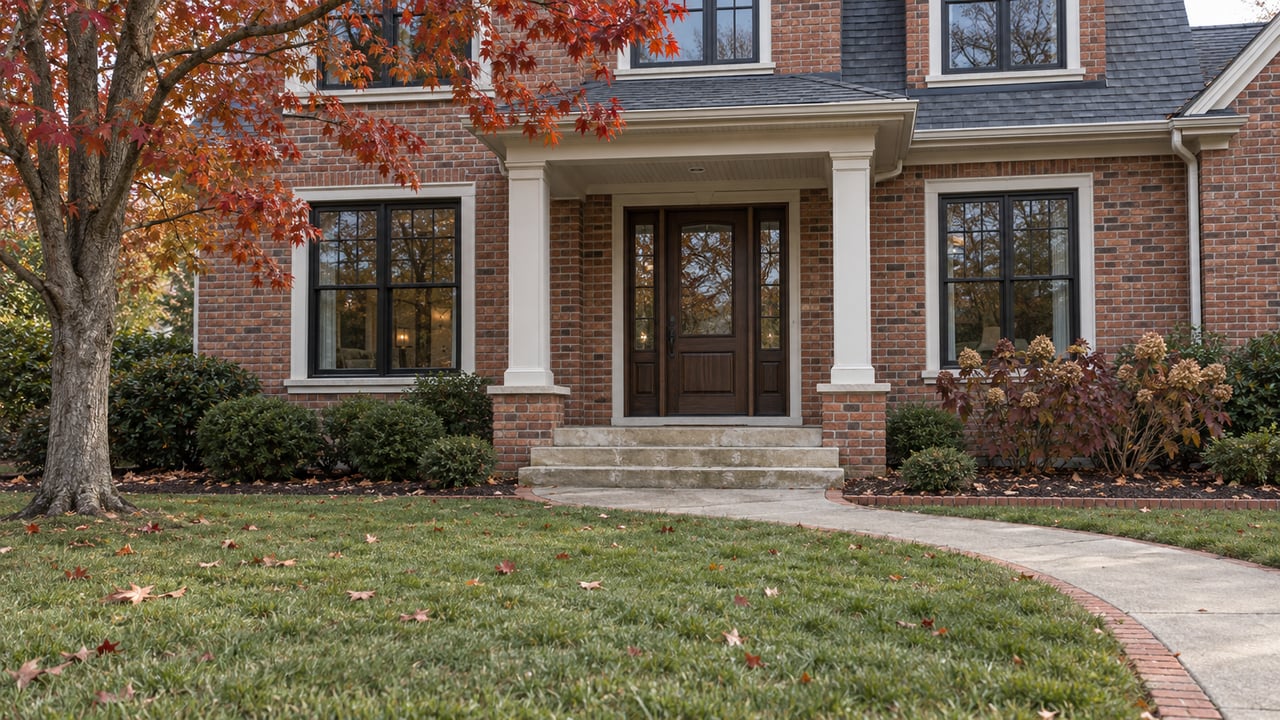
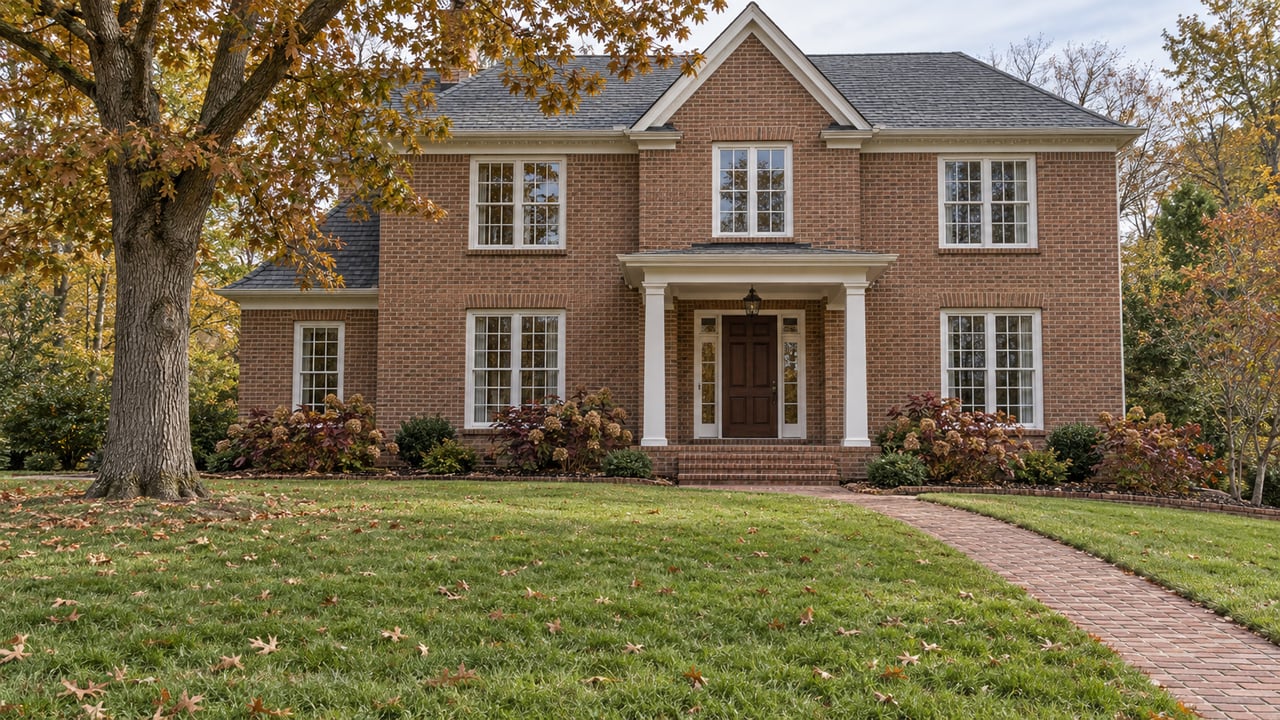
- Curb appeal counts. Fresh mulch, trimmed hedges, and a clean entry set the tone before buyers reach the door.
- Be transparent with virtual edits. Label digitally staged photos per MLS rules and keep representations realistic.
What you can expect
Results vary by neighborhood segment, price tier, and competing inventory. In Apex, where some buyers compare resales to new construction, staging can be a meaningful differentiator. Minimal prep may be enough when demand is high in your band and condition is already strong. The best path is a short, data-driven review of matched comps and a staging plan aligned to your target buyer.
Ready to see what staging could do for your Apex sale? Reach out to the advisors at Eddie Cash & Associates for a tailored prep plan, pro photography, and an in-house staging strategy designed for Triangle buyers.
FAQs
Does staging always increase sale price in Apex?
- Staging often improves online appeal and showings, but results depend on your price band, condition, and competing inventory. Use matched comps to estimate net impact.
How long does full staging take before listing?
- Plan for 1 to 3 weeks to schedule, install, style, and photograph after minimal prep and repairs are complete.
Is virtual staging allowed in our MLS?
- Yes when properly disclosed. Clearly label digitally staged photos and keep edits realistic and accurate to the space.
Which rooms should I stage first if I am on a budget?
- Prioritize the living room, dining area, primary bedroom, and entry. Add a home office or breakfast nook if those spaces are key for your buyer.
Can I stage while living in my home?
- Yes. Use light, neutral styling and remove excess items. A hybrid plan can layer in select furnishings and accessories while you remain in place.
How do I measure staging ROI for my home?
- Compare staged vs. non-staged matched comps for the last 6 to 12 months in your neighborhood, then subtract staging costs from any sale price or terms advantage to estimate net proceeds.