If you plan to sell your Garner home soon, here is the good news: you do not need a full remodel to make a strong impression. In a growing market like Garner, buyers are still paying close attention to presentation, photos, and visible condition. If you prepare strategically before you list, you can help your home stand out online and in person. Let’s dive in.
Why preparation matters in Garner
Garner continues to grow quickly, with the Town of Garner describing the area as a major growth center and Census estimates showing the population reached 39,345 in July 2024. That growth helps keep attention on the area, especially for buyers who want access to downtown Raleigh, Raleigh-Durham International Airport, and Research Triangle Park.
At the same time, sellers should not assume a home will sell itself. Over the three months ending May 2026, Redfin reported that Garner homes sold in about 49 days on market, with a median sale price of $396,763 and an average of one offer. Realtor.com also described Wake County as a seller’s market in May 2026, with a median 38 days on market and a 99% sale-to-list ratio.
What does that mean for you? Buyers are active, but your first impression still matters. A well-prepared home can create more interest early and help your listing compete better from day one.
Start with decluttering
Before you think about paint colors or decor, start by removing visual noise. Clean surfaces, open walkways, and less crowded rooms help buyers focus on the home itself instead of your belongings.
This step matters because staging works best when the space already feels calm and easy to understand. According to the National Association of Realtors 2025 staging report, 83% of buyers’ agents said staging made it easier for buyers to visualize a property as a future home.
As you declutter, focus on the rooms buyers notice first:
- Living room
- Primary bedroom
- Dining room
Those were the rooms staged most often in the 2025 report, which gives you a practical place to begin. If your time or budget is limited, prioritize these spaces before anything else.
Tackle visible repairs early
One of the smartest things you can do is give yourself time. If possible, use the 6 to 12 months before listing to handle visible maintenance and modest cosmetic updates.
This does not mean you need a large renovation. Fresh paint, updated lighting, and small fixes can make a meaningful difference in how buyers perceive the home. These are the kinds of updates NAR highlights as part of a smart marketing refresh.
Pay close attention to issues that could raise questions during showings, such as:
- Dripping faucets
- Loose hardware
- Scuffed walls
- Burned-out light bulbs
- Damaged trim or flooring
- Stained ceilings or signs of deferred maintenance
Small problems can make buyers wonder about larger ones. Taking care of them ahead of time helps your home feel better maintained and more move-in ready.
Consider a pre-listing inspection
A pre-listing inspection can help you uncover issues before a buyer does. NAR notes that this step can reveal plumbing, roof, or electrical concerns that might otherwise delay or derail a sale.
For many sellers, this is less about perfection and more about preparation. If you know what needs attention early, you can decide whether to repair it, disclose it, or price with it in mind. That kind of planning often leads to a smoother transaction.
Stage the spaces that sell the story
Staging should support the way buyers experience your home, both online and in person. It is not about making the house look overly designed. It is about helping each room feel functional, inviting, and easy to understand.
The 2025 staging data shows that staging can be a targeted listing expense rather than a major overhaul. In that report, 17% of buyers’ agents said staging increased the dollar value offered by 1% to 5%, and the median spend when using a staging service was $1,500.
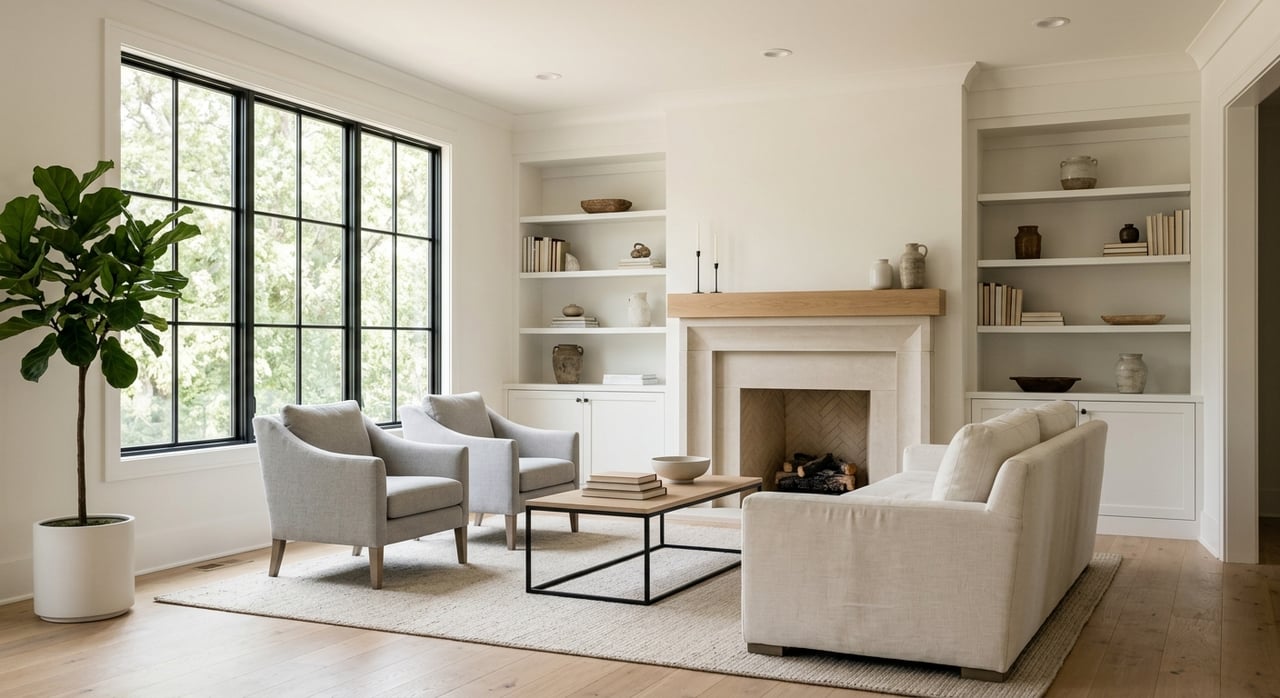
For most Garner sellers, the best approach is to stage the main living spaces first. Keep furniture scaled to the room, preserve open traffic flow, and avoid overcrowding. Buyers should be able to move easily through the home and picture how they would live there.
A staging-first plan often works best when it focuses on:
- A clean, balanced living room
- A restful primary bedroom
- A dining area with clear purpose
- Light, bright spaces with minimal distraction
- Decor that supports the home’s scale and layout
This is one reason a staging-led selling strategy can be so effective. Instead of overspending on updates buyers may not value equally, you can focus on the spaces and details that shape the first impression most.
Make photos part of the plan
Photos are not the final step. They should be part of your preparation plan from the beginning. NAR says 81% of buyers rated listing photos as the most useful feature during their online search, and 52% of buyers found the home they purchased online.
That means many buyers will meet your home on a screen before they ever step through the front door. If the photos do not stand out, they may never schedule a showing.
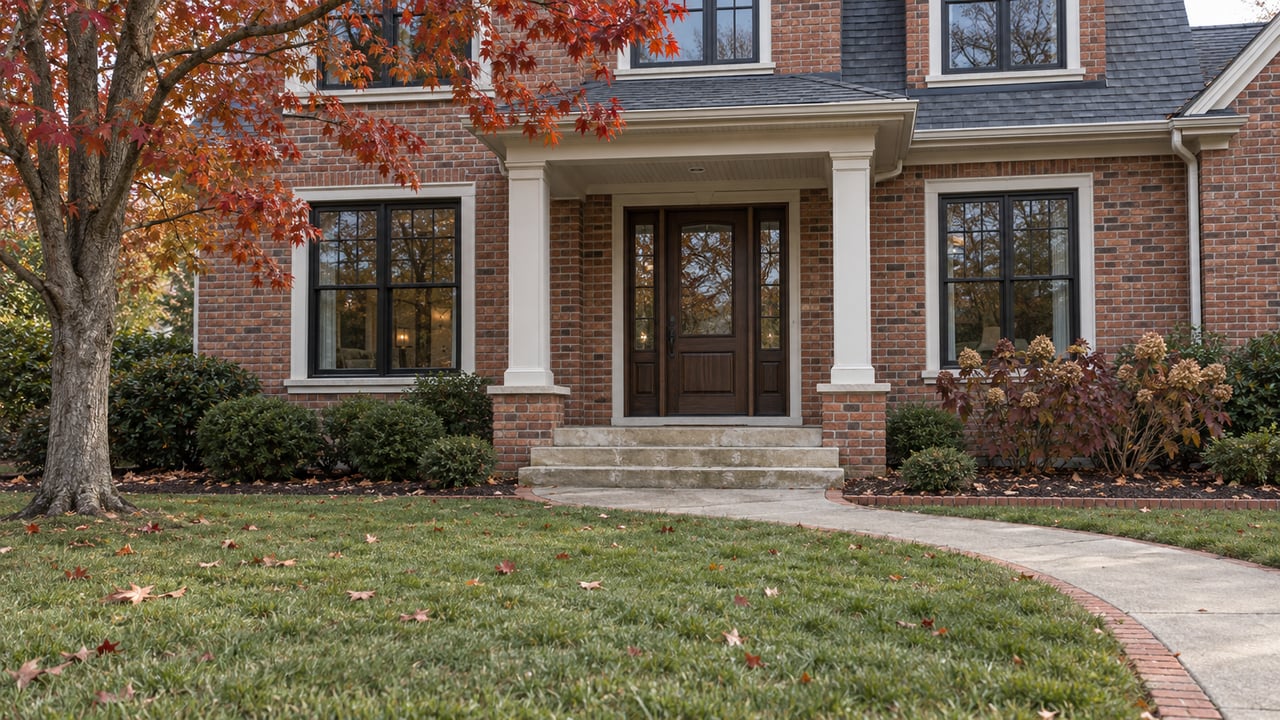
The order matters here. Clean first, stage second, then photograph. NAR notes that listing photos often determine whether buyers click into a listing, and a strong exterior image or lifestyle-focused interior photo can perform better than a generic wide-angle room shot.
If your home is vacant, virtual staging may help buyers understand the space. Still, it should be used carefully. NAR cautions that digitally altered images should be disclosed and the in-person experience should match what buyers saw online.
Launch strong in the first few days
The first few days after your home hits the market can shape the entire listing cycle. NAR’s visibility guidance says early views, saves, and shares help determine whether a listing gains traction.
That is why complete preparation matters before launch. If your home goes live before it is fully cleaned, staged, photographed, or described well, you may lose momentum during the most important window.
A strong launch usually includes:
- Professional photography after staging and cleaning
- Clear listing copy about condition and updates
- Notes about flexible spaces and outdoor use
- A lead photo that catches attention quickly
- A polished, accurate presentation from day one
If a listing underperforms early, even changing the lead photo or photo order may help reset visibility. Still, it is usually better to get it right from the start.
Use listing copy that supports the visuals
Good listing copy does not repeat what photos already show. It fills in the facts that help buyers decide whether the home fits their needs.
NAR says buyers skim descriptions to confirm fit, and features tied to everyday living and long-term value tend to stand out. That means your listing should clearly describe condition, updates, layout flexibility, and usable outdoor areas.
For a Garner home, local context can also help. The Town of Garner highlights the town’s convenient location near downtown Raleigh, Raleigh-Durham International Airport, and Research Triangle Park. For buyers comparing several areas, that context can strengthen your home’s appeal.
Get your disclosure paperwork ready
Preparation is not just about looks. It is also about having your paperwork ready before buyers start asking questions.
In North Carolina, owners of most residential properties must furnish the Residential Property and Owners’ Association Disclosure Statement before an offer is made. Most sellers also provide the Mineral and Oil and Gas Rights Mandatory Disclosure Statement before an offer is made.
If your home is subject to an owners’ association, the disclosure must also address the association. If anything changes after you complete the disclosure, the North Carolina Real Estate Commission says you must promptly provide an updated disclosure or correct the problem.
If your home was built before 1978, federal lead-based paint rules also apply. Sellers and agents must disclose known lead information, provide the EPA/HUD pamphlet, and give buyers a 10-day opportunity for a paint inspection or risk assessment.
Getting these items organized early can reduce stress later. It also helps you move faster and more confidently once your home is ready to list.
Focus on smart prep, not over-improving
In many cases, the best return comes from disciplined preparation rather than major renovation. In Garner’s current market, that often means decluttering, fixing visible defects, staging the rooms buyers care about most, and launching with strong photos and complete paperwork.
This approach supports how buyers actually shop today. They notice photos first, then condition, then whether the home feels easy to imagine living in. When all three work together, your home has a better chance to stand out.
If you want a selling experience that feels organized, polished, and less stressful, a staging-first plan can make a real difference. That is where experienced local guidance matters most.
When you are ready to prepare your Garner home for the market, Eddie Cash & Associates can help you create a smart, polished plan built around presentation, timing, and results.
FAQs
What should I do first before selling my Garner home?
- Start by decluttering and reducing visual noise so buyers can focus on the home, especially in the living room, primary bedroom, and dining room.
How important is staging when selling a home in Garner?
- Staging can be very helpful because NAR found that 83% of buyers’ agents said it made it easier for buyers to visualize the property as a future home.
Should I renovate my Garner home before listing it?
- Usually, a full renovation is not necessary. Many sellers benefit more from visible repairs, fresh paint, updated lighting, staging, and strong marketing.
What disclosures do North Carolina sellers need before listing a home?
- Most North Carolina sellers must provide the Residential Property and Owners’ Association Disclosure Statement and the Mineral and Oil and Gas Rights Mandatory Disclosure Statement before an offer is made.
When should listing photos be taken for a Garner home sale?
- Listing photos should be taken after the home is cleaned and staged so the online presentation creates the strongest possible first impression.