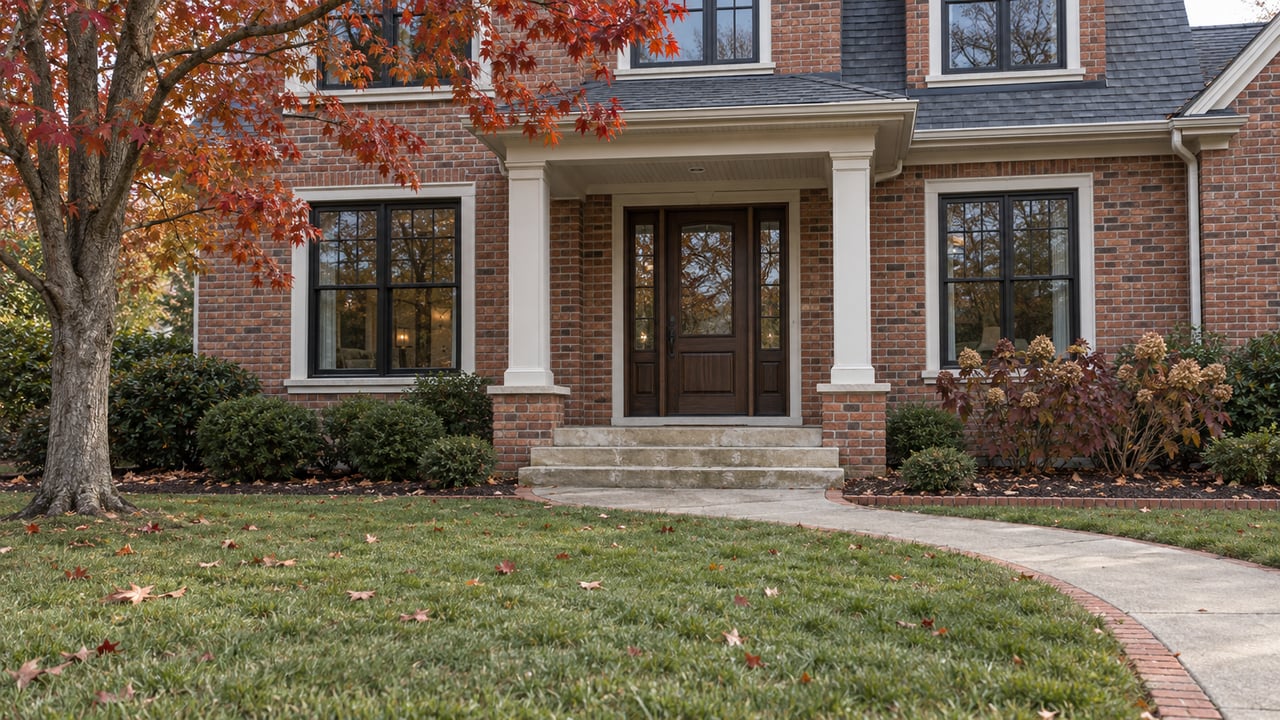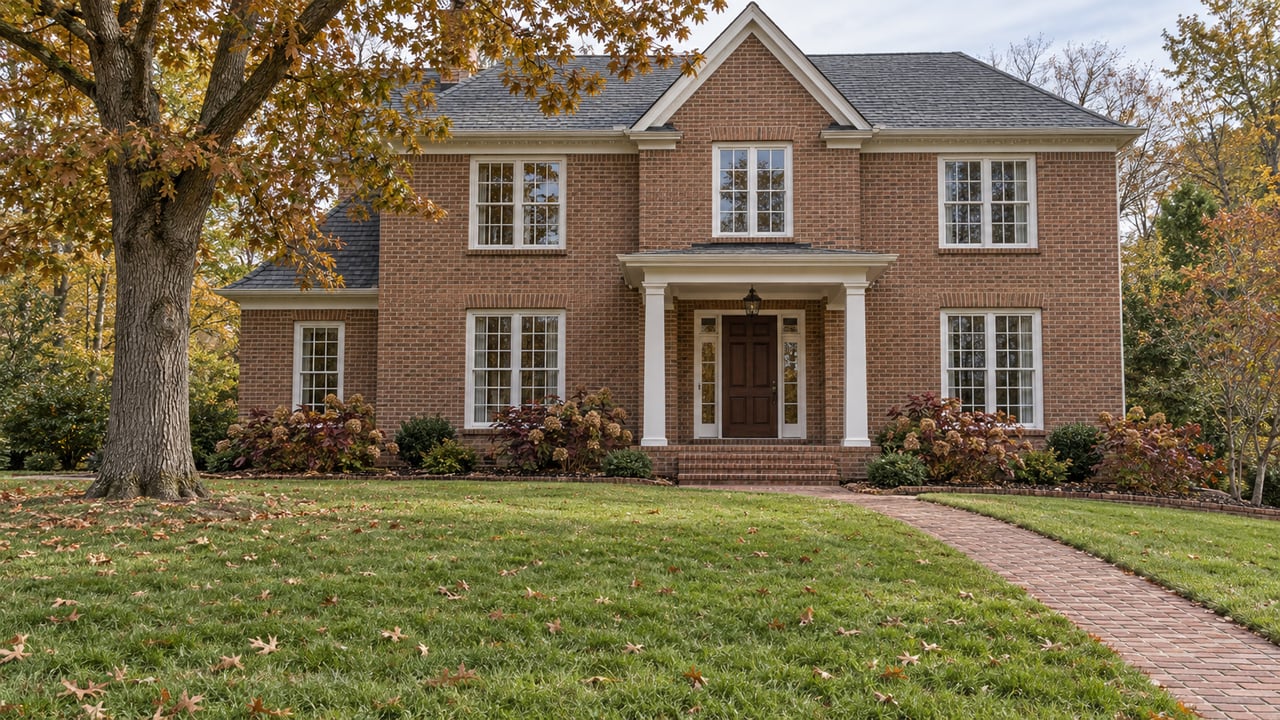
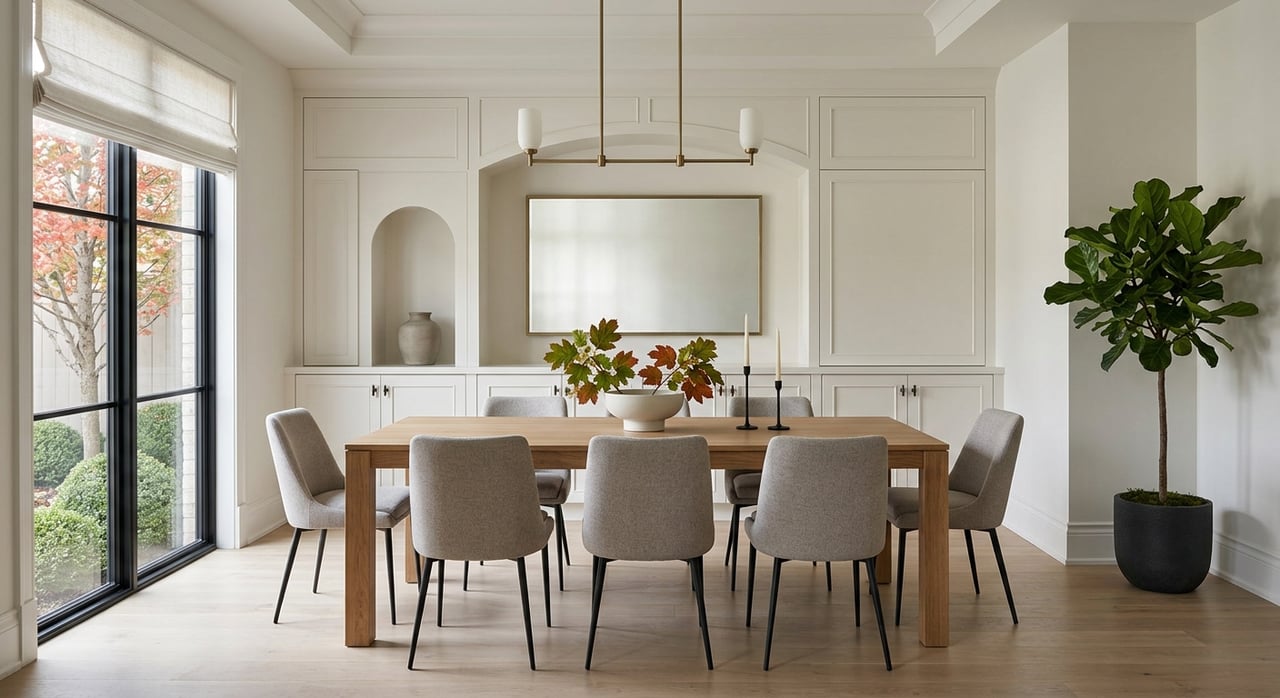
If your Raleigh home is hitting the market soon, how it looks online and in person can shape everything that follows. Buyers in Wake County still have demand and opportunity in the market, but they also have more listings to compare than they did a few years ago. That means presentation matters more than many sellers expect, and strategic staging can help your home feel clearer, warmer, and easier to picture as someone’s next move. Let’s dive in.
Why staging matters in Raleigh
Raleigh and Wake County remain active housing markets, but they are not moving at the same frenzied pace seen during the pandemic surge. Recent local data shows more inventory, longer market times, and sale-to-list ratios that leave more room for buyer comparison and negotiation. According to Redfin’s Raleigh housing market data, homes sold at a median of $425,500 in February 2026, with 69 days on market and a 97.9% sale-to-list ratio.
That backdrop matters because buyers now have options. NAR’s 2026 Housing Hot Spots report still highlights Raleigh as a strong opportunity market, supported by income growth, job growth, and continued migration. In other words, demand is still real, but your home has to stand out for the right reasons.
What staging can actually do
Strategic staging is not about adding trendy decor or promising a guaranteed price jump. It is about helping buyers understand the home faster, connect with it emotionally, and move from browsing to booking a showing.
According to the National Association of Realtors 2025 Profile of Home Staging, 49% of agents said staging reduced time on market. The same report found that 29% said staging increased the dollar value offered by 1% to 10%, while 83% of buyer’s agents said staging made it easier for buyers to envision the property as their future home.
That last point may be the most important. In a market where buyers scroll through photos first and often narrow their list before scheduling tours, a home that feels clear, balanced, and move-in ready can create less friction from the very beginning.
Online first impressions count
Most buyers experience your home online before they ever step through the front door. NAR found that photos ranked as highly important for buyers’ agents, even ahead of some in-person marketing tools. That is why prep should happen before photography, not after.
When a listing launches with polished photos, clean lines, and rooms that feel purposeful, buyers are more likely to click, save, and schedule. NAR also found that 31% of buyer’s agents said buyers were more willing to walk through a staged home they first saw online.
Which rooms to stage first
If you are deciding where to spend time or money, start with the rooms buyers notice most. National staging research points to three spaces that consistently matter most: the living room, the primary bedroom, and the kitchen.
These are often the rooms that drive emotional response and listing-photo performance. They help buyers picture daily life in the home, and they tend to influence whether a property feels updated, cared for, and easy to live in.
Living room
A crowded or awkward living room can make the whole home feel smaller. Strategic staging opens up pathways, creates a clear focal point, and shows how the space functions.
Think less furniture, better scale, and a neutral layout that highlights natural light. The goal is to make the room feel like a place where buyers can gather, relax, and imagine themselves living there.
Primary bedroom
The primary bedroom should feel calm and balanced, not overly personal. Too many colors, heavy furniture, or busy decor can distract from the room’s size and comfort.
A staged primary bedroom usually uses simple bedding, lighter visual layers, and enough open space to make the room feel restful. That shift can help buyers focus on the home itself instead of the current owner’s style.
Kitchen
The kitchen does not need a full renovation to show better. In many cases, the biggest win comes from removing countertop clutter, simplifying decor, and making the space feel fresh and clean.
Clear surfaces, tidy storage, and strong lighting can make a kitchen photograph better and feel more functional during showings. If buyers can quickly read the space, they are less likely to get stuck on distractions.
What to do before staging
The most effective staging usually follows a simple prep sequence. Based on NAR guidance, sellers are commonly advised to tackle the basics first, because those steps improve both staging results and listing photos.
Here is the order that makes the most sense:
- Declutter
- Deep clean the entire home
- Improve curb appeal
- Handle minor repairs
- Stage key rooms
- Photograph the home
Decluttering was the most common recommendation in NAR’s research, followed closely by cleaning and curb appeal. That makes sense because staging works best when it is built on a clean, simplified foundation.
Staging is a spectrum
One of the biggest myths about staging is that it has to mean a full professional install in every room. In reality, staging exists on a spectrum, and the right approach depends on your home, your timeline, and how much visual competition your listing will face.
At the lower-cost end, a strong staged look can come from decluttering, depersonalizing, carpet cleaning, paint touch-ups, landscaping, and small furniture edits. At the higher-touch end, professional staging may bring in furnishings and accessories that help vacant, dated, or hard-to-read spaces feel more inviting.
According to NAR, the median cost for professional staging services was $1,500, compared with $500 when the listing agent handled staging. NAR also notes that staging often costs less than the first price reduction, which gives sellers a helpful way to think about the tradeoff.
When staging is especially worth it
Not every listing needs the same level of staging. Some homes already show well with thoughtful editing and cleaning, while others need stronger visual help to compete.
Research supports staging as especially useful for homes that are vacant, clutter-heavy, or dated. An academic study in the Journal of Housing Research found that empty homes had weaker aesthetic and emotional appeal, while neutral wall color and good furnishings improved buyers’ perceived livability and overall impression.
That does not mean staging guarantees a higher offer. It does mean staging can improve how buyers perceive the home, which is often the first hurdle in a more competitive listing environment.
The Raleigh seller advantage
In Raleigh, strategic staging is really about reducing friction. Buyers have more listings to compare, more time to evaluate what they see, and more room to negotiate than they did during the hottest stretch of the market.
That is why a staging-first approach can be so effective. Instead of hoping buyers overlook clutter, empty rooms, or outdated presentation, you make it easier for them to connect with the home right away. Better first impressions can lead to stronger showing activity, more confident buyer response, and fewer objections tied to presentation.
A smart way to think about ROI
The best way to think about staging is not as decoration. Think of it as a marketing tool that supports your pricing, your photography, and your launch strategy.
If your home looks better online, more buyers may choose to see it. If it feels better in person, buyers may stay longer and respond more positively. And if your listing enters the market in stronger shape, you may be less likely to chase the market later with repeated reductions.
That is especially relevant in a local market where inventory has expanded and days on market have lengthened. Presentation alone does not sell a home, but poor presentation can absolutely slow one down.
Strategic staging starts with a plan
The most successful sellers usually do not ask, “Should I stage everything?” They ask, “What will make this home compete best in this market?” That is the right question.
A smart staging plan looks at your home’s current condition, the rooms buyers care about most, the likely online photo performance, and the level of competition in Raleigh and Wake County right now. From there, you can decide whether your home needs a light refresh, focused room staging, or a more complete staging strategy.
If you are preparing to sell and want a plan that fits your home and timeline, Eddie Cash & Associates can help you evaluate what to update, what to stage, and how to launch with confidence.
FAQs
How does staging help sell a home in Raleigh?
- Staging helps your Raleigh home make a stronger first impression online and in person, which can improve buyer interest, make the home easier to imagine living in, and potentially reduce time on market.
Which rooms should you stage first when selling a Wake County home?
- The best rooms to stage first are usually the living room, primary bedroom, and kitchen because buyers tend to focus on those spaces most.
Is professional staging worth the cost for a Raleigh seller?
- Professional staging can be worth the cost when your home is vacant, cluttered, dated, or facing strong competition, especially since NAR reports staging often costs less than a first price reduction.
Can decluttering and cleaning count as home staging?
- Yes. Decluttering, deep cleaning, depersonalizing, improving curb appeal, and handling minor repairs are all part of creating a staged look and are often the first steps sellers should take.
Does home staging guarantee a higher sale price in Raleigh?
- No. Current research supports staging as a way to improve perception, marketability, and buyer engagement, but not as a guaranteed way to increase price.