If your idea of a great day starts with a walk, a bike ride, or an easy trip to the park, Cary makes that kind of routine feel normal. For many buyers and sellers, outdoor access is not just a bonus anymore. It is part of how you picture everyday life. In Cary, that lifestyle is shaped by an unusually connected network of greenways, parks, trailheads, and neighborhood destinations. If you are trying to understand how outdoor living fits into different parts of Cary, this guide will help you see where those patterns show up and why they matter. Let’s dive in.
Cary’s Outdoor Network Feels Built for Daily Life
Cary describes its greenway system as over 100 miles, and the 2026 State of Cary reports more than 107 miles of paved greenways plus more than 492 miles of sidewalks. The town also says these greenways connect neighborhoods with parks, schools, and other public facilities. That matters because it turns outdoor space into part of your weekly routine, not just a weekend destination.
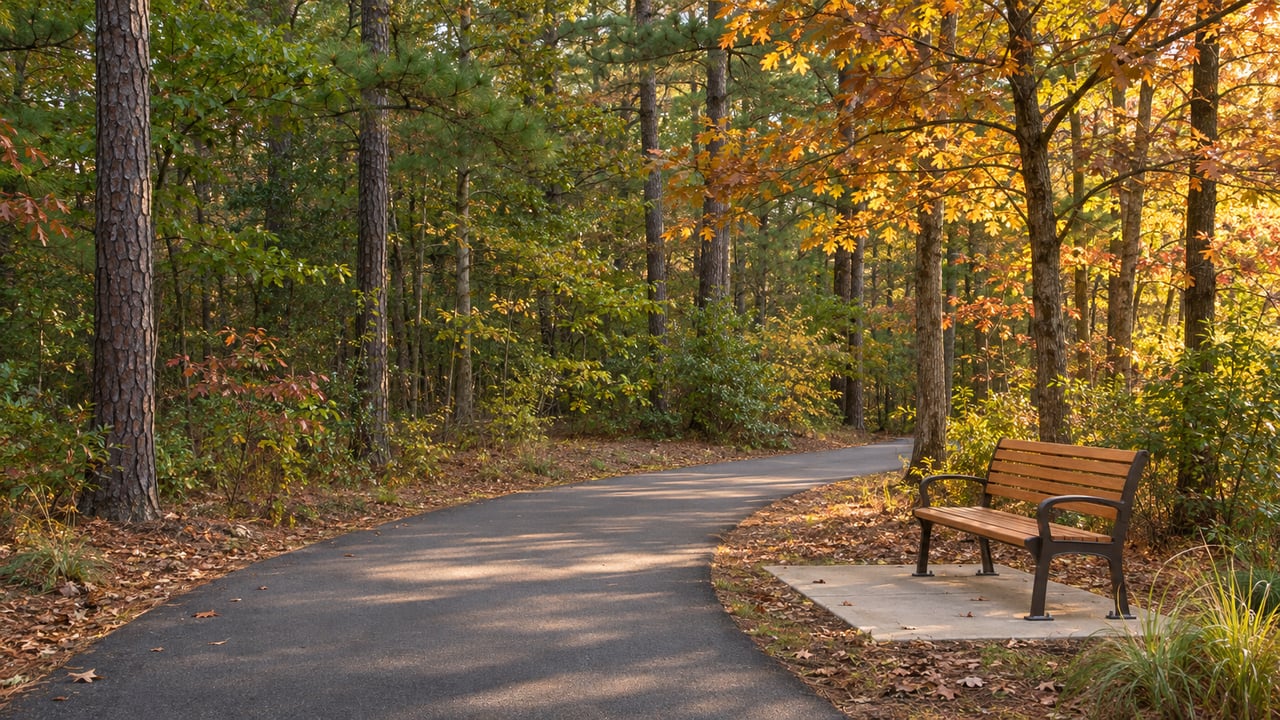
Cary’s major greenways are shared-use paved paths that are mostly 10 feet wide. They support walking, running, biking, skating, stroller use, wheelchairs, and other active transportation. The town asks users to stay right, keep dogs on a leash no longer than 6 feet, and limit speed to 15 mph.
The backbone of the system is built around the Black Creek and White Oak corridors. Cary also notes that these routes are part of the East Coast Greenway, which is the larger route planned to connect Maine to Florida. For local residents, the bigger takeaway is simpler: many of Cary’s best outdoor spaces are linked together in a practical, everyday way.
Greenways That Shape Everyday Routines
Black Creek Greenway
Black Creek Greenway runs 7.1 miles from Lake Crabtree to Bond Park. It is a 10-foot-wide asphalt trail designed for walking, running, biking, leashed dogs, strollers, and wheelchairs. Along the way, it connects to places like North Cary Park, Godbold Park, Bond Park, and additional trail segments.
For many people, this is the kind of route that supports early morning runs, after-dinner walks, or weekend bike rides without needing a long drive. It helps explain why central and north Cary often stand out to buyers who want quick access to outdoor space. One practical note: Black Creek Greenway is undergoing phased renovations, so route conditions and detours should be checked before planning a trip.
White Oak Creek Greenway
White Oak Creek Greenway runs 7.38 miles and begins in Bond Park. Like Black Creek, it is a 10-foot-wide asphalt trail built for walking, running, bicycling, leashed dogs, strollers, and wheelchairs. It connects to Bond Park, Davis Drive Park, Cary YMCA, Ed Yerha Park, and neighborhood trail segments.
This corridor helps make west and central Cary feel especially connected for day-to-day recreation. If you want a location where a short walk, family bike ride, or stroller outing can fit naturally into your week, White Oak is an important piece of the map.
American Tobacco Trail Access
Cary also manages 4.7 miles of the American Tobacco Trail. In northwest Cary, the New Hope Church Road Trailhead Park gives you trail access on a 12-acre site at the ATT intersection. The town has also noted features like parking and public art at this trailhead.
For runners, cyclists, and anyone who enjoys longer routes, this part of Cary offers a stronger regional trail connection. That makes northwest and north Cary worth a closer look if quick trail access is high on your wish list.
Parks That Function Like Everyday Destinations
Bond Park
Fred G. Bond Metro Park is one of Cary’s best-known outdoor anchors, and for good reason. At 310 acres, it is one of the largest municipal parks in Wake County. It includes the Bond Park Boathouse, the Bond Park Community Center, the Cary Senior Center, trails, athletic fields, playground space, a challenge course, and a lakefront setting.
In 2025, Bond Park welcomed more than 2 million visitors. That kind of traffic shows how deeply the park is woven into daily life in Cary. For buyers, being near Bond Park often means having a major outdoor hub close to home rather than needing to plan around a special outing.
Downtown Cary Park
Downtown Cary Park brings a different kind of outdoor experience. The seven-acre park includes a great lawn, paved walking trails, a tiered water feature, a play area, interactive water features, a dog play area, and market and performance spaces. It also hosts regular programming that keeps the space active beyond casual walks.
What makes this park especially useful is how easy it is to work into an ordinary day. Downtown Cary highlights nearby parking and a fare-free GoCary downtown loop, which helps make the area easier to use once you arrive. If you want outdoor space mixed with events, dining, and downtown activity, this park plays a big role.
Thomas Brooks Park
Thomas Brooks Park is a 224-acre park in western Cary with athletic fields, courts, picnic shelters, a playground, and a 0.50-mile walking track. In 2025, it also drew more than 2 million visitors. That level of use reflects how important it is as a west Cary destination.
For buyers looking in western Cary, Thomas Brooks adds another layer to the area’s outdoor appeal. It supports both structured recreation and easy everyday use.
Neighborhood-Scale Parks
Not every outdoor routine needs a large regional park. North Cary Park offers a smaller neighborhood-park feel with trails, a playground, a climbing boulder, sand volleyball courts, basketball courts, and athletic fields. Davis Drive Park is another great everyday-use example, with a 0.5-mile paved loop trail, playgrounds, a shaded picnic area, soccer fields, a basketball court, restrooms, and direct access to White Oak Creek Greenway.
These smaller parks often matter just as much as the headline destinations. They are the places where quick walks, playground stops, and short evening outings actually happen.
Nature Access Adds Variety
Cary’s outdoor lifestyle is not limited to paved greenways. Hemlock Bluffs Nature Preserve offers about three miles of mulched nature trails, scenic overlooks, and bird and wildlife viewing. It is a more natural trail experience, and bikes are not allowed.
That distinction is helpful if you want both convenience and variety. A paved greenway may be perfect for strollers, bikes, or a brisk walk, while a preserve like Hemlock Bluffs gives you a quieter, more nature-focused option.
Where Outdoor Access Clusters in Cary
Central Cary
Central Cary stands out for the most connected mix of parks and trails. Bond Park, Black Creek, White Oak, North Cary Park, and Downtown Cary Park all sit within this broader network. That makes the area a strong fit if you value short walks, event access, and easy daily recreation.
For many buyers, this is the part of Cary where the “outdoor lifestyle” feels easiest to picture. You are not relying on one park alone. You are benefiting from a broader web of connected places.
West Cary
West Cary tends to cluster outdoor access around Davis Drive, Green Level Church Road, Thomas Brooks Park, the White Oak corridor, and the American Tobacco Trail connection. This creates a strong pattern of park-and-trail access built into daily life.
If you are home shopping with outdoor convenience in mind, west Cary offers several useful anchors rather than just one standout destination. That can make your day-to-day options feel more flexible.
South Cary
South Cary combines neighborhood trails, school-park complexes, nature-preserve walking, and family amenities. Key anchors include Middle Creek School/Park, the Kildaire Farm street-side trail, Hemlock Bluffs, Jack Smith Park water play, and Cary’s dog-park network.
This part of Cary can appeal to buyers who want a balance of everyday recreation and quieter nature access. It offers a different outdoor rhythm than the larger paved-corridor experience in other parts of town.
Northwest and North Cary
Northwest and north Cary are especially appealing for people who want longer trail connections. The American Tobacco Trail, Old Reedy Creek, Black Creek, and New Hope Church trailheads create stronger regional access toward Lake Crabtree, Bond Park, and beyond.
If running or cycling is a regular part of your week, this access pattern may matter more than any single park feature. For some buyers, being able to reach the trail system quickly is the priority.
Why This Matters for Buyers and Sellers
For buyers, outdoor access can shape how a home feels long after move-in day. A nearby trail, a short walk to a park, or easier access to dog-friendly amenities can affect your routine more than you expect. In Cary, the system is broad enough that these choices can meaningfully vary by location.
For sellers, these amenities help tell a stronger lifestyle story. When your home sits near a greenway, a major park, or a practical daily-use outdoor space, that context can be part of how buyers understand the value of the location. It is not just about the house itself. It is about how the surrounding area supports everyday living.
That is especially true in a market where many buyers are relocating and trying to picture their future routines quickly. Being able to explain how your location connects to Cary’s outdoor network can make your home feel more tangible and memorable.
The Little Details That Make Cary Practical
Cary’s outdoor appeal is not only about miles of trails. The town also supports bike-friendly infrastructure with repair stations at Godbold Park, Bond Park Boathouse, New Hope Trailhead, and Reedy Creek Trailhead. Small details like that make biking and trail use feel more practical.
The town also offers everyday family features beyond walking and biking. Water-play season for 2026 opened May 13 and runs through September 21 at Downtown Cary Park, Jack Smith Park, Marla Dorrel Park, and Neighborhood Park on Carpenter Fire Station Road. Cary’s dog parks are pass-based, fenced, lighted, and secured, with hours from 7 a.m. to 10 p.m. and no entry after 9 p.m.
These details help explain why Cary often feels like an outdoor-lifestyle town rather than a town with a few isolated parks. The network supports walking, running, biking, dog outings, family play, and community events across the same broader system.
If you are thinking about buying or selling in Cary, understanding how greenways and parks shape daily life can help you make a more confident move. Whether you are looking for a home near a major trail corridor or preparing to market a property with strong lifestyle appeal, Eddie Cash & Associates can help you navigate Cary with local insight and a thoughtful, high-touch approach.
FAQs
Are Cary greenways good for strollers and everyday family use?
- Yes. Cary’s major greenways are mostly 10-foot-wide paved shared-use paths, and the town specifically lists strollers and wheelchairs among the supported uses.
What are the main greenways in Cary for daily walking or biking?
- The two core corridors are Black Creek Greenway and White Oak Creek Greenway, which connect major parks and neighborhood trail segments across Cary.
Which Cary parks are most useful for everyday outdoor living?
- Bond Park, Downtown Cary Park, Thomas Brooks Park, North Cary Park, and Davis Drive Park all stand out because they combine trails or walking paths with practical daily-use amenities.
Where should trail-minded homebuyers focus in Cary?
- Central Cary, west Cary, south Cary, and northwest Cary each have strong outdoor access patterns, with the best fit depending on whether you want connected parks, nature trails, or longer regional trail routes.
Does Cary have dog-friendly outdoor spaces?
- Yes. Cary has pass-based dog parks at Downtown Cary Park, Godbold, and Jack Smith, and the town says they are fenced, lighted, and secured.
What makes Cary feel like an outdoor lifestyle town?
- The biggest reason is the network effect. Cary’s greenways connect to parks, parks connect to other public spaces, and the town supports amenities like water play, dog parks, bike support, and events across that broader system.